

I am excited to introduce the extraordinary team of Gyunnetk! This interview* was conducted after an online presentation that Ang Xiao Ting and I gave with the team as part of the Arko-Daehakro Arts Theater Climate Project Talk, ‘Ecological Approaches to Artistic Creation: Eco-Theatre and Eco-Scenography’ (Seoul, Korea, 29. August 2024). It is always incredible to meet eco-theatre folks from many different cultures from around the world. Gyunnetk’s work is so positive and eco-creative. It shows us what is possible when we collaborate with the more-than-human world.
(*The answers to the interview questions were translated from Korean using AI software. The original Korean answers can be found below).

Who are you? (Tell us about yourself)
We are Gyunnetk. The name Gyunnetk represents the “mycelial network,” symbolizing the connectivity and expansiveness of fungi, which are naturally present but often invisible to the human eye.
The members of Gyunnetk are: Yoon MooAa, a theatre director primarily focused on theatre but with an interest in various genres and new collaborations; Kim Hyewon (Igumiunni), a stage/object designer who also works on pop-up book theatre and is pursuing interdisciplinary work through food research and a nutritionist qualification; Shin Sowoozoo, who works on sewing projects and performances involving women’s labour, mastering straight stitching at Penguin Apparel; Park Sujin (Jinsupark), an actor keen on exploring new networks and connections within Gyunnetk; and Youn Sohee (Heeso), a writer and director who creates works focusing on the relationships between humans and non-humans, and is considered the smartest member of the group.
How did your interest in eco-theatre and ecoscenography begin?
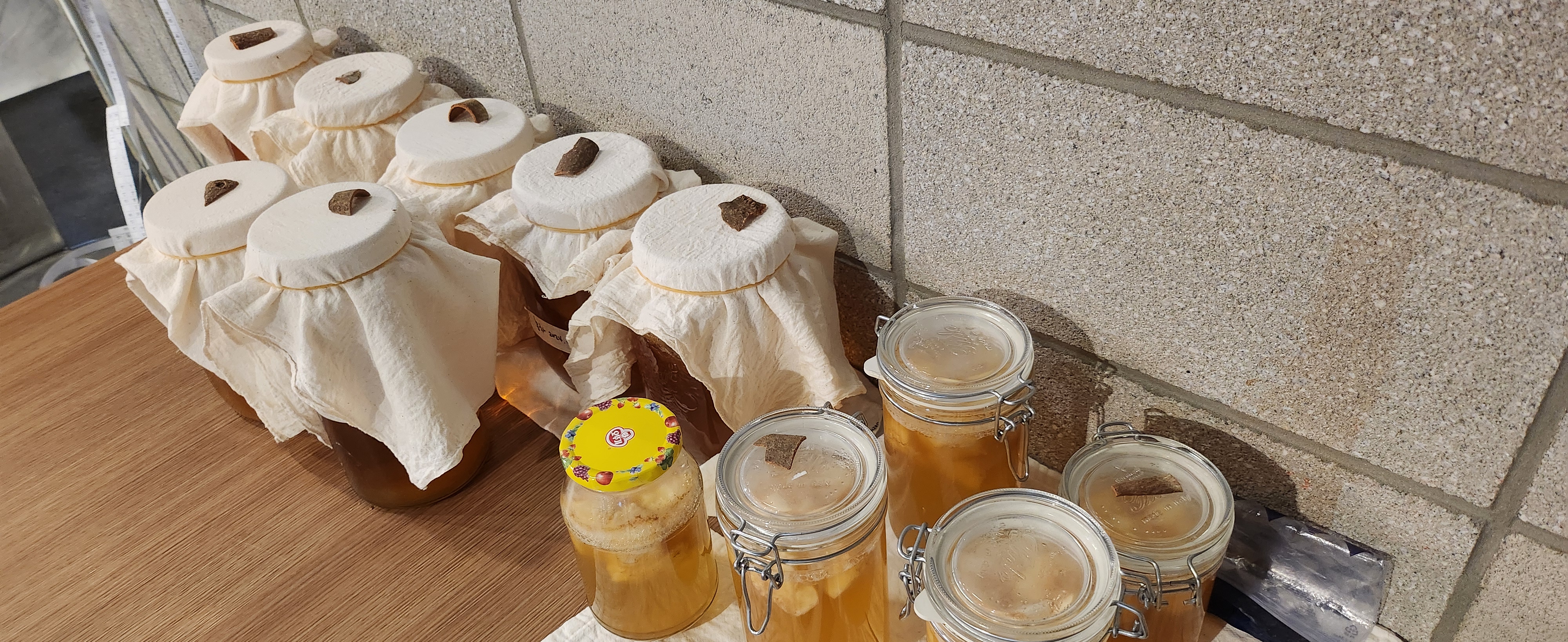
Gyunnetk’s journey started with reading Entangled Life by Merlin Sheldrake, which led to a deep fascination with the world of fungi. This inspired the creation of the “Book Mushroom” (mushrooms grown on shredded, discarded books) and the “Mycelium Book” (an exhibit featuring mycelial maps made from torn book pages). Following this, the group decided to continue studying fungi and formed Gyunnetk. They began to explore artistic practices that reflect symbiotic relationships between humans and non-humans, tracing existence before and after humankind. The climate project at ARKO·Daehakro Arts Theatre, which began in the winter of last year, marked the group’s deeper engagement with eco-theatre. Through the project, they explored the invisible “theatre fungi” within the venue and chose fermentation as a method to make this hidden world more visible.
There exists an ancient, vast, and mysterious world of lifeforms, including mould, yeast, and mushrooms, that predates human history. While fermented foods become more nutritious, changes in the vast world of microorganisms often do not go according to plan, reminding us of our limitations and interconnectedness with other organisms. The experience shifts perceptions, making the microscopic seem macroscopic, and vice versa, revealing that humans are not independent entities but are connected to external organisms. Concepts of “beneficial” and “harmful” are anthropocentric, and the idea of control is often illusory. Thus, the world of fungi provides a different perspective on viewing the world.
What does ecoscenography or eco-theatre mean to you? How do you define it (for yourself and others)?
In ecoscenography, the question “What materials should we use?” is too narrow. The broader question is how we relate to our surroundings and think about sustainability in our creative methodologies. This approach encompasses both living and non-living entities beyond humans. It’s about questioning material production and exploring ecological working methods. Ecoscenography isn’t just about creating stage spaces; scenography can also serve as the main narrative of a performance.
Eco-theatre challenges the dichotomies between human and non-human, culture and nature, and calls for a reconfiguration of these relationships. It doesn’t see nature as an idealised entity to be pursued from afar but rather begins with the immediate environment, where humans and non-humans interact. The creation of performances thus becomes a collaborative act between human and non-human agents.
In the current era of climate change, new methodologies are needed, and the practices of ecoscenography and eco-theatre provide one possible answer.
Can you tell me about your latest project?
Gyunnetk participated in the ARKO·Daehakro Arts Theatre Climate Project from March to August 2024, undertaking a six-month project.
The theatre, traditionally a place for humans, also houses non-human beings like fungi. The project explored this perspective, suggesting that humans are not the centre of the world but are instead part of a network of fungi.
The theatre space is dedicated to human narratives, but it also hosts non-human entities. To make the invisible fungi visible, the group used fermentation. Despite the common association of fungi with contamination, especially after the COVID-19 pandemic, Gyunnetk wanted to challenge this perception and discuss the coexistence and mutual benefits of fungi. The project explored themes of fungi, climate crisis, food, and theatricality across three episodes:
ARKO Arts Theatre Backstage Tour: Discovering Theatre Fungi with Gyunnetk
- Held on June 1-2, 2024, at 11 am in the ARKO Arts Theatre’s main hall.
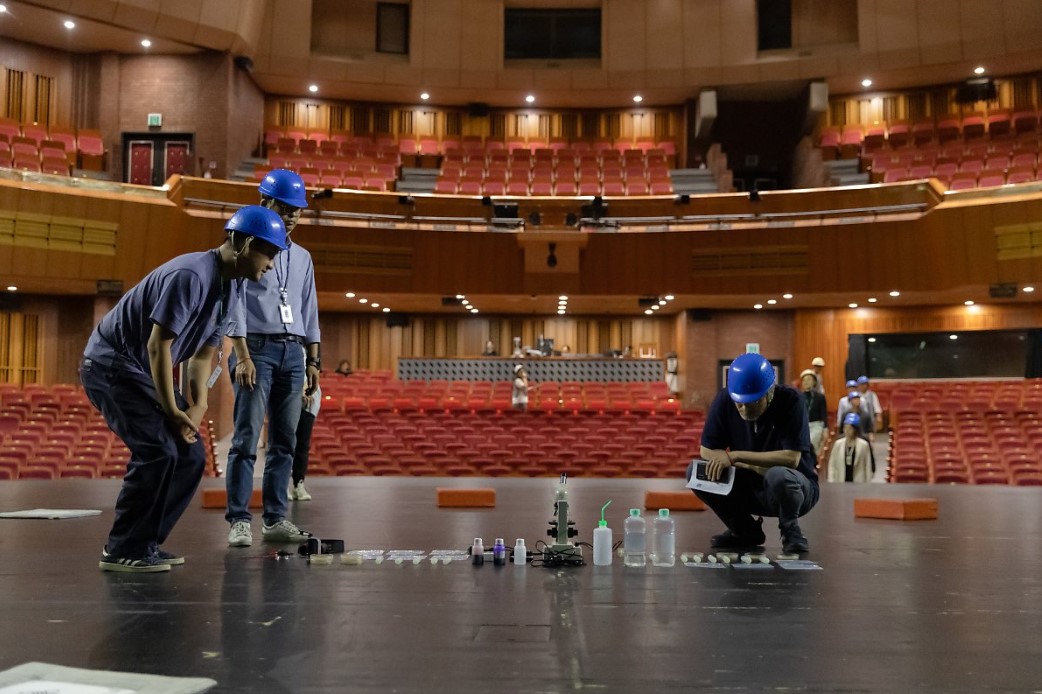
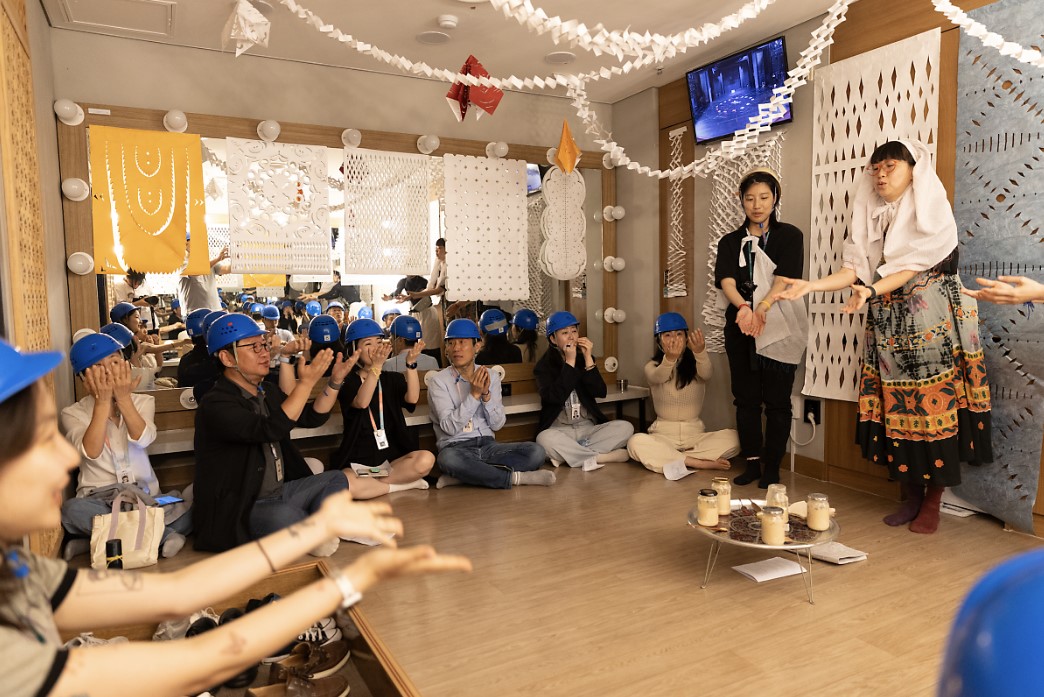
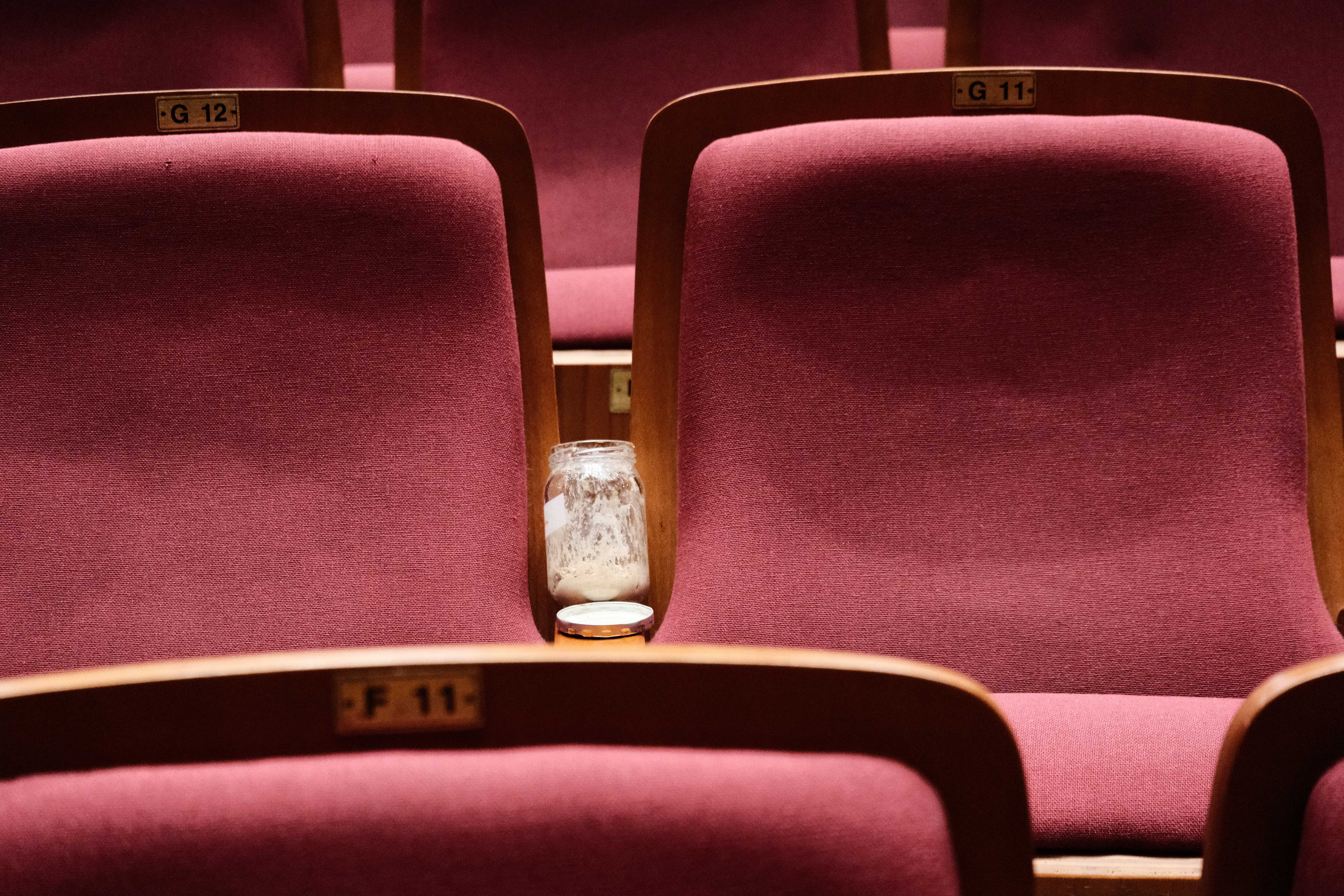
- The audience explored hidden parts of the theatre to observe and learn about fungi. The tour culminated in a “fungus carnival,” where participants shared fermented levain bread made at the theatre.
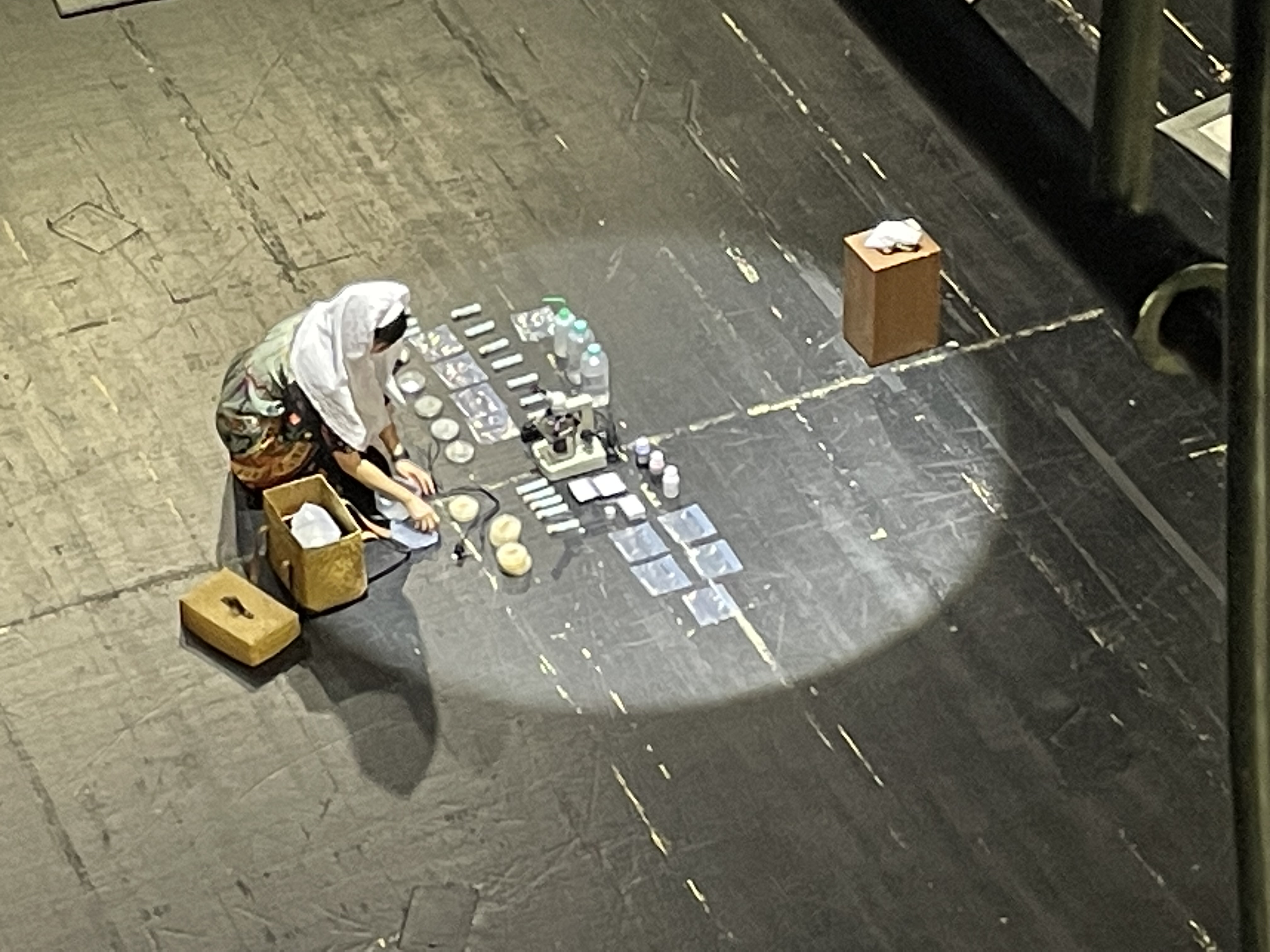
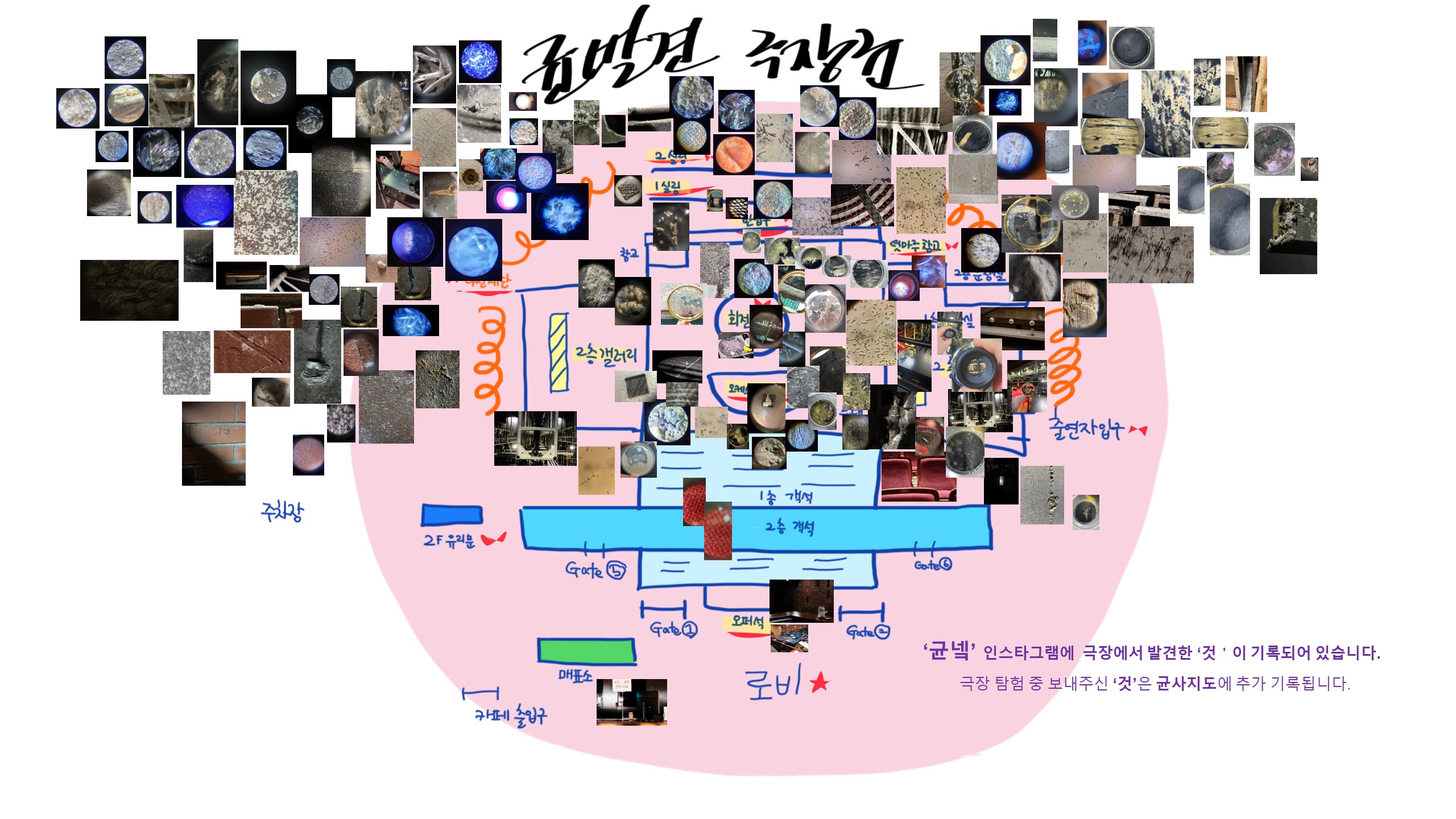
- Using magnifying glasses, microscopes, and other tools, participants examined various areas of the theatre, including the stage, backstage, and storage rooms. The event concluded with a close-up look at the cultured fungi samples and a tasting session of fermented bread from different parts of the theatre.

KomburakKomburak & Popping Pan Day!
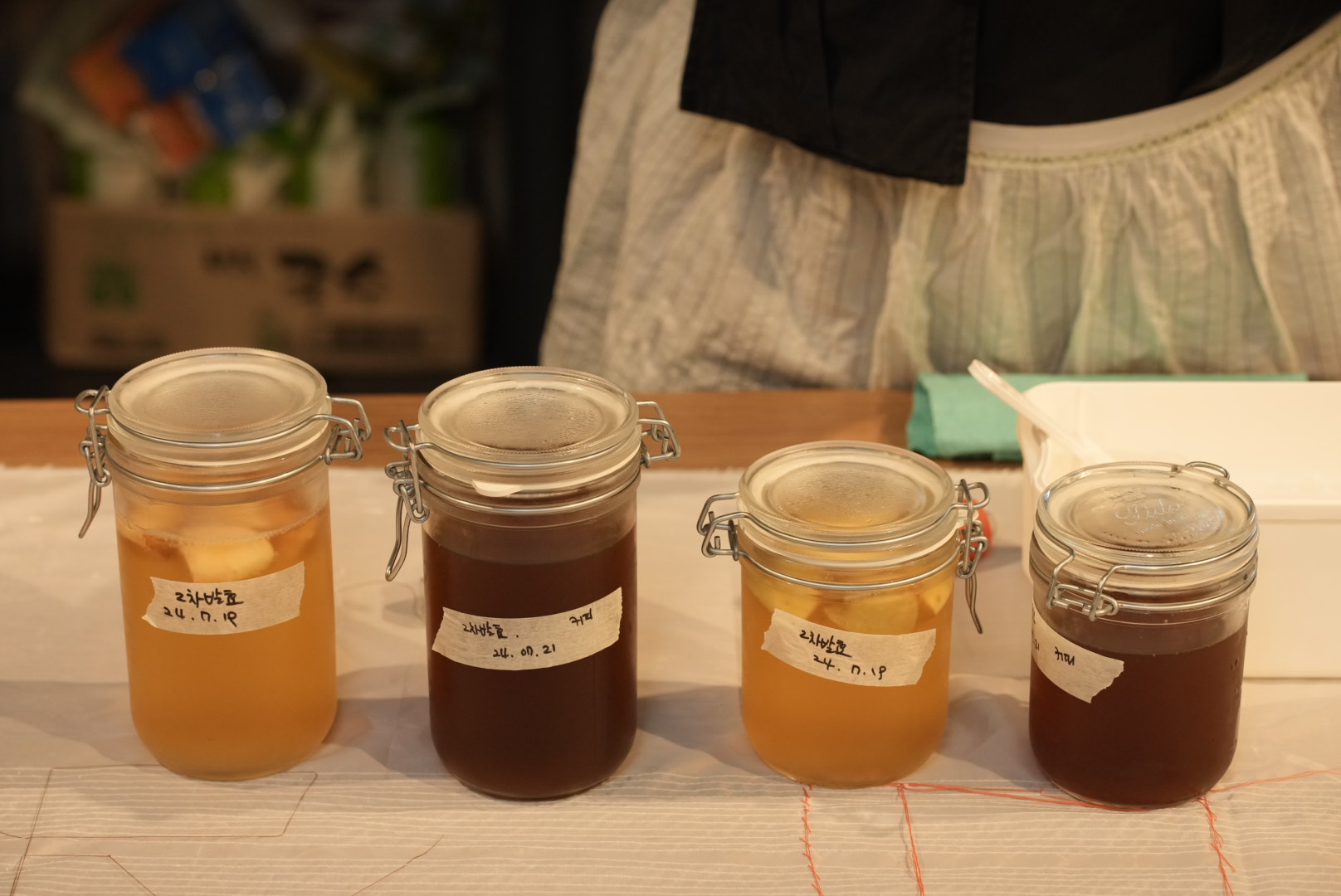
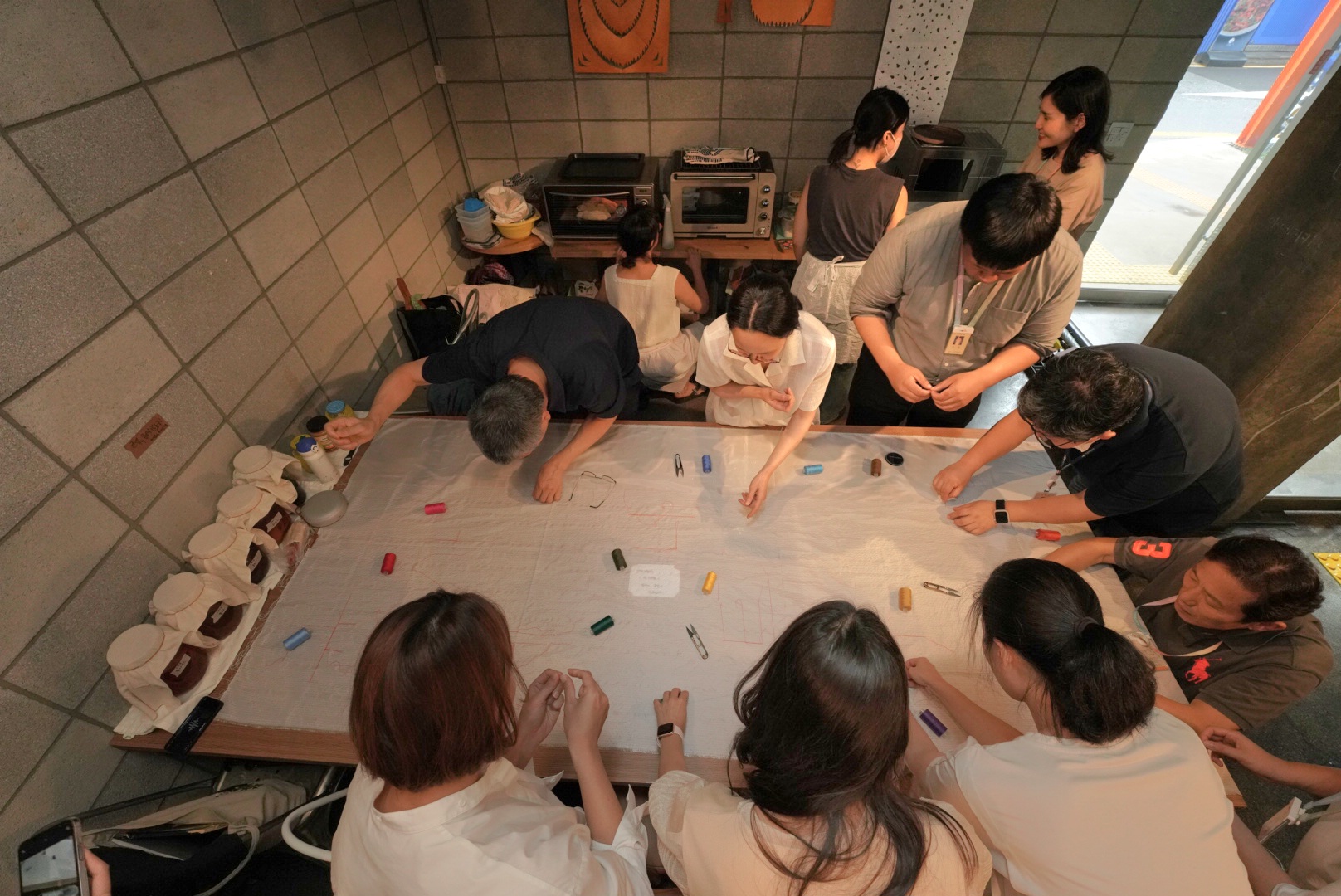
- Various parts of the theatre contributed to the fermentation of five different levain starters, which represented the unique fungi found in those locations. Every two weeks, Gyunnetk hosted events at the theatre plaza to share kombucha and bread with the audience, creating opportunities to connect with the fungal network.

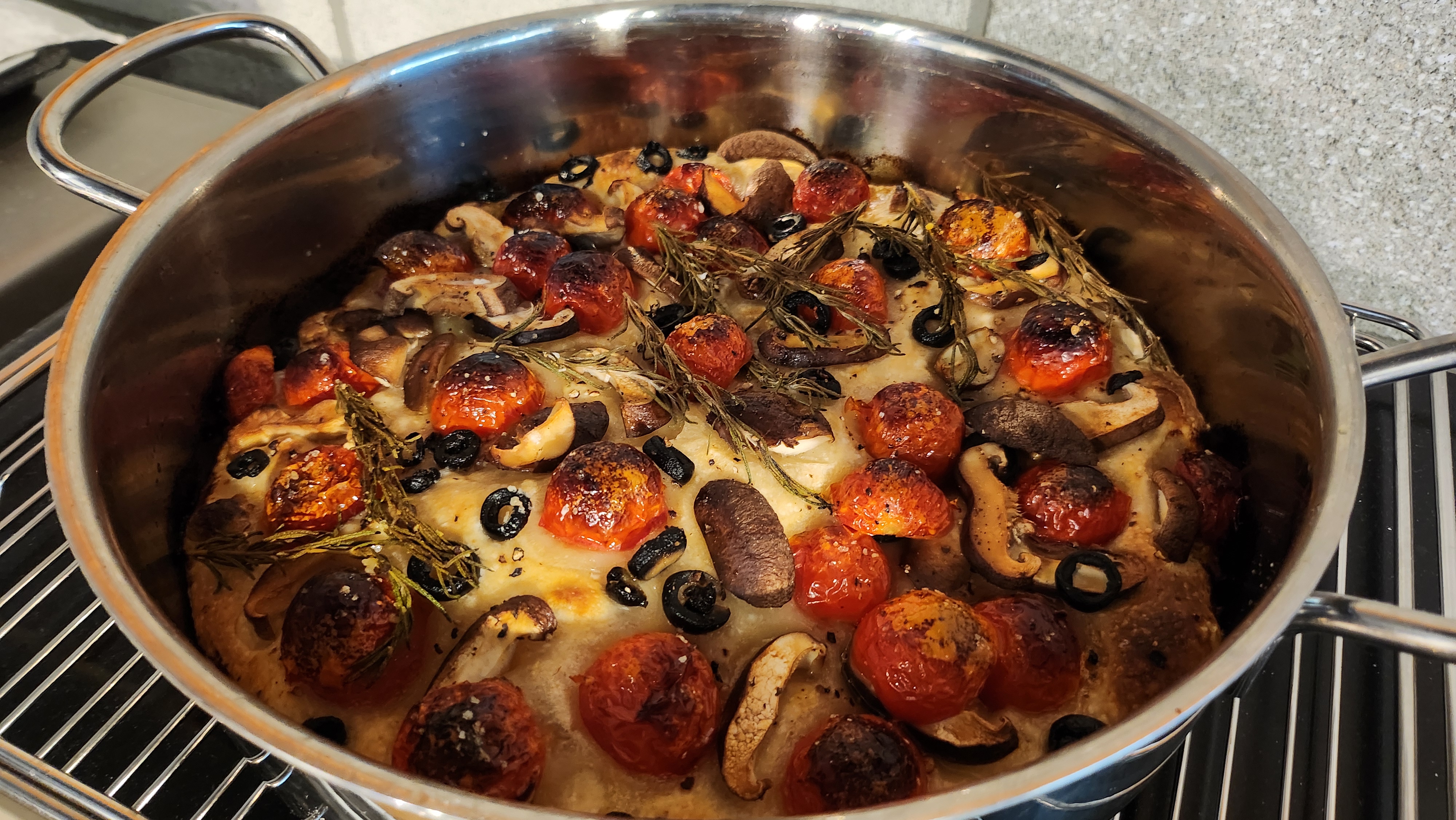
Sharing Event: Gyuncannibalism of Gyunnetk
- Held on August 30, 2024, at 5 pm at the Daehakro Arts Theatre Plaza.
- The group cultivated mushrooms using materials such as theatre waste and wild vines, not for consumption but to explore fungi as theatre residents. The growth process was public and lasted two months, with some mushrooms thriving while others did not, emphasizing the significance of the journey itself.


What were some of the biggest hurdles you faced, and what are you most proud of?
Changing perceptions about fungi is challenging, particularly given the association with contamination and danger, exacerbated by the pandemic. For instance, during the backstage tour, participants were initially wary of tasting the fermented levain, perceiving it as “contaminated.” Additionally, the theatre staff expressed concerns about the strong fermentation odour from the mushrooms. These experiences highlighted the difficulty in shifting perspectives towards coexistence and mutual benefit.
The relationship with fungi is also paradoxical for the group members, who would likely remove mould found at home. Encountering raw, unrefined nature brings contradictions and dissonances to the surface, prompting the question: should we reveal these inconsistencies as they are?

What advice would you give to a theatre maker exploring eco-theatre and sustainable practices for the first time?
Just start. Be mindful of objectification. Reconsider whether purchasing or producing new materials is truly necessary. Embrace new aesthetics and paradigm shifts with an open mind.
And do some research on fungi.
What do you think the future of theatre will look like in a climate-resilient world?
- Non-production?
- A change in aesthetic standards for beauty.
- Moving beyond the theatre.
- Creating through relationships and solidarity.
- Finding creative methodologies within urban ecosystems.
What is your next project?
Having begun collaborating last year, Gyunnetk is slowly expanding, like mycelium, without haste, reaching out in various directions. Although no concrete plans are set, the group will continue to grow in diverse and interconnected ways.
Additionally, the ARKO·Daehakro Arts Theatre Climate Project, which Gyunnetk participated in this year, will continue into 2025 after a brief hiatus. The theatre aims to establish a climate-focused creative space, continuing to experiment with new methodologies for the climate crisis era.

Ecoscenography Q&A in Korean
Who are you? (tell us about yourself)
We are Gyunnetk.
** Gyun(균) means something like germ or mycelium.
Gyunnetk은 ‘균사체네트위크’를 의미하며, 인간의 눈에 보이지 않지만 당연하게 존재하는 균의 연결성과 확장성을 상징한다.
Gyunnetk의 멤버는 다음과 같다. 연극을 주로 하지만 다양한 장르와 새로운 것에 관심이 많아 늘 협업을 고민하는 연극연출가 윤무아, 무대/오브제 디자이너이고 팝업북_booktheater 공연도 하면서 먹거리에 대한 연구와 영양사 자격증 취득으로 다학제 작업을 꿈꾸는 김혜원(이구미언니), 펭귄어패럴에서 미싱 노동자들과 여성노동에 대한 작업을 하면서 일자박기를 마스터하고, 일자박기로 공연을 하는 신소우주, Gyunnetk의 연결성과 새로운 네트워크의 탐색에 관심이 많은 배우 박수진(진수박), 작가이자 연출가로 인간과 비인간 존재의 관계에 관심을 둔 작품을 만드는, Gyunnetk에서 가장 스마트한 멤버인 윤소희(희소)로 구성되어 있다.
** 영문 표기
윤무아 -> Yoon MooAa
김혜원(이구미언니) -> Kim hyewon(Igumiunni)
신소우주 -> ShinSowoozoo
박수진(진수박) -> Park Sujin(Jinsupark)
윤소희(희소) -> Youn Sohee(Heeso)
2. How did your interest in eco-theatre and eco-scenography begin?
Gyunnetk은 『작은 것들이 만든 거대한 세계』(멀린 셸드레이크)를 함께 읽으며 균의 세계를 알게 된 후 균의 세계에 흠뻑 빠지게 되었다. 이를 계기로 버려진 책을 파쇄해 배지를 만든 ‘책버섯’과 책에서 찢은 문장들로 균사지도를 만든 ‘균사책’을 만들어 전시를 하기도 했다. 이후 ‘균’에 대해 지속적으로 공부하기로 하며 ‘Gyunnetk’을 결성하게 되었다. 그리고 인류 이전과 이후의 존재를 추적하며, 인간과 비인간의 공생 관계에 주목하며 예술적 실천을 고민하고 있다.
작년 겨울 즈음 아르코·대학로예술극장으로부터 기후프로젝트를 제안 받게 되어 의도치 않게 본격적으로 작업을 시작하게 되었다.
기후프로젝트에 참여하면서 우리는 극장에 존재하는 ‘극장균’을 만나보기로 했다. 그리고 인간의 눈에 보이지 않는 존재로서 균을 가시화하는 방법으로 발효를 선택했다.
인류의 역사와 비교도 할 수 없는 오래된 역사를 지닌 신비하고 커다란 생명의 세계가 있다. 균계에 속하는 곰팡이, 효모, 버섯 등을 비롯한 미생물의 세계가 그것이다. 균의 발효를 통해 식품이 만들어지면 더 높은 영양 성분을 지니게 되지만 인간의 통제가 감히 불가능한 거대한 미생물의 세계에서는 늘 계획대로 상태의 변화가 이루어지지 않는다. 이러한 경험 앞에 서면 겸허해진다. 미시적이라 생각하던 것은 거시적이고, 거시적이라 여기던 것은 사실 미시적인, 뒤집힌 감각을 경험하게 되고, 인간이 단일하고 독립된 개체가 아닌 외부의 유기체와 연결된 존재라는 것을 깨닫게 해준다. 이로운/해로운의 기준은 인간 중심적이고, 통제라는 것은 가능하지 않음을 느낀다. 이와 같이 균의 세계는 세상을 바라보는 다른 관점을 제공한다.
3. What does ecoscenography or eco-theatre mean to you? How do you define it (for yourself and others)?
ecoscenography의 개념에서는 ‘어떤 재료로 만들 것인가?’라는 질문은 협소한 고민이다. 이것은 훨씬 넓은 의미에서, 우리를 둘러싼 것들과 어떻게 관계 맺고 지속가능성을 고민할 것인가에 대한 창작 방법론이다. 이때 ‘우리를 둘러싼 것들’은 인간 바깥의 생물/무생물을 아우르며, 물론 인간을 포함한다. 이것은 또한 물질적 생산의 지양과 생태적 작업 방식에 대한 고민이고 시도이다. 그리고 ecoscenography는 단지 무대의 공간을 만드는 작업이 아니며, scenography가 공연의 주요한 내러티브가 되는 작업이기도 하다.
eco-theatre는, 인간-비인간, 문화-자연과 같은 이분법을 거부하고 이 관계를 재조정할 것을 요구한다. 이것은 자연을 저 멀리 이상적인 어딘가에 있는 추구해야 할 본연의 무엇으로 여기지 않는 관점을 가진다. 그리하여 생태의 범주는 가까운 곳에 있는 것으로부터 시작하여 인간-비인간이 관계 맺는, 인간과 비인간의 공동행위로 구성되는 공연의 창작 방법이다.
지금의 기후변화 시대는 기존의 공연과는 다른 새로운 창작 방법론을 요구한다. 그리고 ecoscenography와 eco-theatre의 창작 방법론과 실천은 그에 대한 답의 하나가 될 것이라고 생각한다.
4. Can you tell me about your latest project?
Gyunnetk은 2024년 <아르코·대학로예술극장 기후프로젝트>에 참여하여 3월~8월까지 6개월간 프로젝트를 진행했다.
인간을 위한 장소 극장. 그곳의 비인간 존재, 균.
인간은 이 세계의 중심이 아닌 하나의 부분이라는 것, 인간도 균이고 우리는 균의 네트워크 안에서 살고 있다는 관점을 견지한다.
극장이라는 장소는 인간을 위한 장소이고 인간의 서사를 다루는 곳이지만, 여기에는 인간이 아닌 비인간 존재도 있다. 눈에 보이지는 않지만 존재하는 균을 만나보자. 균이 눈에 잘 보이지 않으니 가시화하는 방식으로 발효를 선택한다.
많은 사람이 균을 오염으로 인식한다. 코로나와 팬데믹 이후로 균은 인간에게 해로운 것이라는 인식이 더욱 파다하다. 하지만 우리 몸 안에는 엄청 많은 균이 있다. 오염과 이로움도 결국 인간의 시선에서 규정된 것이지, 그게 정말 나쁘고 해롭다고 규정할 수 없는 것이기도 하다. 이렇게 균에 대한 새로운 인식, 공존하고 상생하기에 대한 이야기를 하고 싶다.
균, 기후위기, 먹거리 그리고 연극성을 키워드로 작업했다. 그 3개의 에피소드를 소개한다.
4-1. 예술극장 기후프로젝트 백스테이지투어 <Gyunnetk의 균발견_극장균>
2024. 6. 1~2 오전 11시 아르코예술극장 대극장
관객들과 극장을 둘러보며 극장균을 관찰하고 들여다보는 순간을 공유한다. 우리가 채취한 균을 배양해서 관찰하고, 균의 존재를 알리고, 극장에서 발효한 르뱅을 관객들과 나누면서 균카니발을 연다.
관객들은 3개의 그룹으로 나뉘어 다양한 관찰 도구(돋보기, 루페, 휴대용 현미경, 쌍안경)를 통해 극장 곳곳을 살핀다. 극장의 문을 열고 객석을 지나 무대 위에 오르거나, 덧마루가 켜켜이 쌓인 물품보관소에서 오래된 나무 냄새를 맡는다. 또 무대 뒤 원형 계단을 따라 극장의 가장 높은 천장에 올라 무대 아래를 내려다본다. 이와 같이 균을 관찰하며 극장 관계자가 아니면 절대 출입할 수 없는 구역을 샅샅이 돈다. 투어의 끝에는 흩어졌던 사람들이 무대 중앙 회전무대 위에 다시 모이고, 그곳에는 그들이 방문한 공간에서 사전 재취 후 배양한 극장균을 가까이 관찰할 수 있도록 페트리디쉬에 배양된 균들이 전시되어 있다.
관객은 무대에서 원으로 둘러앉아 극장이 내뿜는 균의 감각을 느끼고, 마지막으로 분장실로 이동해서 제의문과 함께 극장 곳곳(무대중앙, 분장실, 객석, 오퍼, 매표소)에서 발효를 시작한 르뱅을 맛보며 제의를 끝낸다.
이에 더해 주어진 도구와 사전에 미리 채취/배양하여 현미경으로 관찰한 균의 사진을, 각 장소에서 QR코드를 통해 볼 수 있다. 또한 관객이 투어 중 촬영한 작은 것들을 온라인으로 실시간 전송하도록 하고 그것을 모아 ‘균사 지도’로 이미지화하는 과정을 거쳐 백스테이지투어의 마지막 지도가 완성된다.
4-2. 콤부락콤부락 & 빵! 터지는 날
(KomburakKomburak & Popping Pan day!)
** Pan means Bread.
아르코·대학로예술극장 곳곳에서 발효를 거친 르뱅과 스코비는 빵이 되고 콤부차가 된다. Gyunnetk은 다양한 존재들과 연결되고 확장되고자 대학로예술극장 1층 씨어터광장에 자리 잡았다. 르뱅들은 날씨에 따라 환경에 따라 잘 부풀기도 덜 부풀기도 한다. 균넼의 시도들도 어느 날은 마구 달려 나가고 어느 날은 주춤할 수도 있다. 2주에 한번씩, 맛있는 콤부차와 빵을 나누며 균넼의 실험을 구경하고, 균-네트워크에 접속한다.
아르코예술극장 곳곳(무대중앙, 분장실, 객석, 오퍼, 매표소)의 공기를 담아 발효된 5개의 르뱅은 각 장소와 그곳의 균을 담고 있다. 2주에 한번씩 Gyunnetk은 5개의 르뱅으로 발효한 빵을 구워 관객들과 나누는 퍼포먼스를 했다. 이와 함께 Gyunnetk이 자리 잡고 작업하는 공간인 씨어터광장이 공기를 담아 발효한 콤부차를 함께 나누었다.
4-3. 예술극장 기후프로젝트 공유회 <Gyuncannibalism of Gyunnetk>
2024. 8. 30 오후 5시 대학로예술극장 씨어터광장
Gyunnetk은 이미 존재한, 그러나 살피지 않던 것들과 공존하기 위해 조그맣게 인사하고 느슨하게 포옹하며 함께 뻗어 나가보기로 한다. 조용한 카니발은 지금도 곳곳에서 솟아나 서로에게 몸을 내어주며 균으로서 인간이 균을 먹는 Gyuncannibalism을 기대한다.
1) 조용한 카니발: 잇기, 읽기, 바라보기, 되기, 속삭이기
Gyunnetk은 2024년 7, 8월 2달간 씨어터광장에 자리 잡고 꾸준히 실험과 작업을 했다. 매주 1회 멤버들이 돌아가며 호스트가 되어 내부 워크숍을 진행했다. ‘조용한 카니발’은, 그 워크숍을 통해 연결해 온 Gyunnetk의 작업을 관객과 함께 나누는 시간이다.
2) Gyuncannibalism:
“KomburakKomburak & Popping Pan day!” and “Mushroom”
아르코예술극장 곳곳(무대중앙, 분장실, 객석, 오퍼, 매표소)의 공기를 담아 발효된 5개의 르뱅은 각 장소와 그곳의 균을 담고 있다. Gyunnetk은 5개의 르뱅으로 발효한 빵을 구워 관객들과 나눈다. 이와 함께 Gyunnetk이 자리 잡고 작업하는 공간인 씨어터광장이 공기를 담아 발효한 콤부차를 함께 나누었다.
Gyunnetk은 씨어터광장에서 여러 종류의 버섯을 키웠다. 극장 공연의 부산물을 먹이 삼은 버섯, 칡과 버섯 배지를 섞어 키운 버섯, 시중에 판매되는 버섯 배지로 키운 버섯이 그것이다. Gyunnetk은 버섯을 식용의 관점이 아니라, 극장에서 사는 균으로 바라보고 키우는 과정을 2달 동안 공개했다. 버섯은 자라나기도, 혹은 자라나지 않기도 했다. 이것은 그 과정 자체가 의미를 가진 작업이다.
5. What were some of the biggest hurdles that you have had to tackle in creating this project? What are you most proud of?
많은 사람이 균을 오염으로 인식한다. 코로나와 팬데믹 이후로 균은 인간에게 해로운 것이라는 인식이 더욱 파다하다. 하지만 우리 몸 안에는 엄청 많은 균이 있다. 오염과 이로움도 결국 인간의 시선에서 규정된 것이지, 그게 정말 나쁘고 해롭다고 규정할 수 없는 것이기도 하다. 그렇지만 균에 대한 인식을 새롭게 하는 것은 어려운 일이다. 예를 들어, 우리가 백스테이지투어를 준비하면서 두 가지 작업을 했다. 하나는 극장 곳곳에서 균을 채취하여 배양하고 그것을 확대하고 관찰하는 것이었다. 백스테이지투어 당일 관객들도 균 관찰에 참여했다. 또 하나는 극장 여러 공간에 밀가루와 물로 만든 반죽을 놓고 그곳의 공기가 들어와 이 반죽을 발효하게 만드는 것이었다. 즉 르뱅을 발효하기 시작했다. 그렇게 2~3주정도 키운 르뱅을 백스테이지투어 당일에 관객들에게 맛보고 냄새 맡게 했다. 그들 중 몇 명은 그들이 조금 전 백스테이지투어에서 관찰한 극장의 균이 르뱅 안에 들어가 있다고 생각하면서 르뱅을 ‘오염된 것’으로, ‘위험한 것’으로 인식했다.
또 하나의 예로, 극장의 부산물과 영양분, 그리고 버섯 종균을 섞어서 키운 버섯에서는 발효되는 냄새가 강하게 났다. 이 냄새는 우리에게도 처음 경험하는 당혹스러운 것이었지만 한편으로는 그 냄새 자체가 우리의 작업이기도 했다. 그래서 우리는 공공의 공간에 침범한 우리 버섯의 냄새를 좋아했다. 그런데 프로젝트 기간 동안 우리의 아지트였던 씨어터광장은 열려있는 공간이다. 극장 관계자들은 냄새 때문에 민원이 들어올까 우려된다는 이야기를 여러 번 우리에게 전달했다.
이후에도 이 프로젝트를 하면서 균과 오염, 위험성에 대한 질문을 종종 받았다. 우리는 어떻게 하면 균에 대한 새로운 인식, 공존하고 상생하기에 대한 이야기를 감각하게 할 수 있을지 고민이 되고 어려움을 느낀다.
한편 균과 우리의 관계는 우리 자신에게도 모순적이기도 하다. 만약 우리가 집에서 작은 곰팡이를 발견한다면 그것을 없애고자 애를 쓰게 될 것이다. 정제된 생태가 아닌 좀 더 날것으로의 생태와 만날 때 이런 모순과 부조화를 드러내거나 더 가까워지거나. 이 모순과 부조화를 그대로 드러내는 것이 필요하지 않을까?
6. What tips would you give to a theatre maker who is exploring eco-theatre and sustainable practice for the first time?
일단 시작하세요.
대상화에 주의하세요.
생산이나 구입하는 것이 꼭 필요한 것인지 한 번 더 고민하세요.
새로운 미학, 패러다임의 전환 앞에 열린 마음을 가지세요.
그리고 균에 대해 리서치해 보세요.
7. What do you think the future of theatre will look like for a climate-resilient world?
생산하지 않는 것?
아름답다는 것, 미학적 기준의 변화
극장 밖으로 나오기
함께 관계 맺으며 만들어지는 것. 연대?
우리가 살아가는 도시 생태에서 창작방법론 찾기
8. What is your next project?
Gyunnetk의 멤버는 작년에 처음 협업을 시작해서 이제 천천히 시작하고 있다. 조용히 자신의 영역을 확장하는 균사처럼 재촉하지 않는 속도로 조금씩 번져가며 이 세계와 만나보려 한다. 아직 구체적인 계획은 없다. 그러나 아마도 Gyunnetk은 균사체네트워크가 한 방향이 아닌 여러 방향으로 뻗어나가고 동시다발적으로 일어나며 어디로도 연결될 수 있는 것과 같이 각 멤버들의 관심사가 뻗어나가고 연결되는 방식으로 작업을 이어갈 것이다.
덧붙여 올해 Gyunnetk이 참여한 아르코·대학로예술극장 기후프로젝트가 내년(2025년)에도 이어질 예정입니다. (몇 달 쉬었다가…) 아르코·대학로예술극장은 기후극장 만들기를 하고 싶다는 목표를 가지고 이후 기후 관련 작업을 할 수 있는 장을 지속하고, 기후위기 시대의 창작방법론에 대해 예술가들과 함께 시도하고 실험할 계획을 가지고 있는 것 같습니다.
 ecoscenography.com